
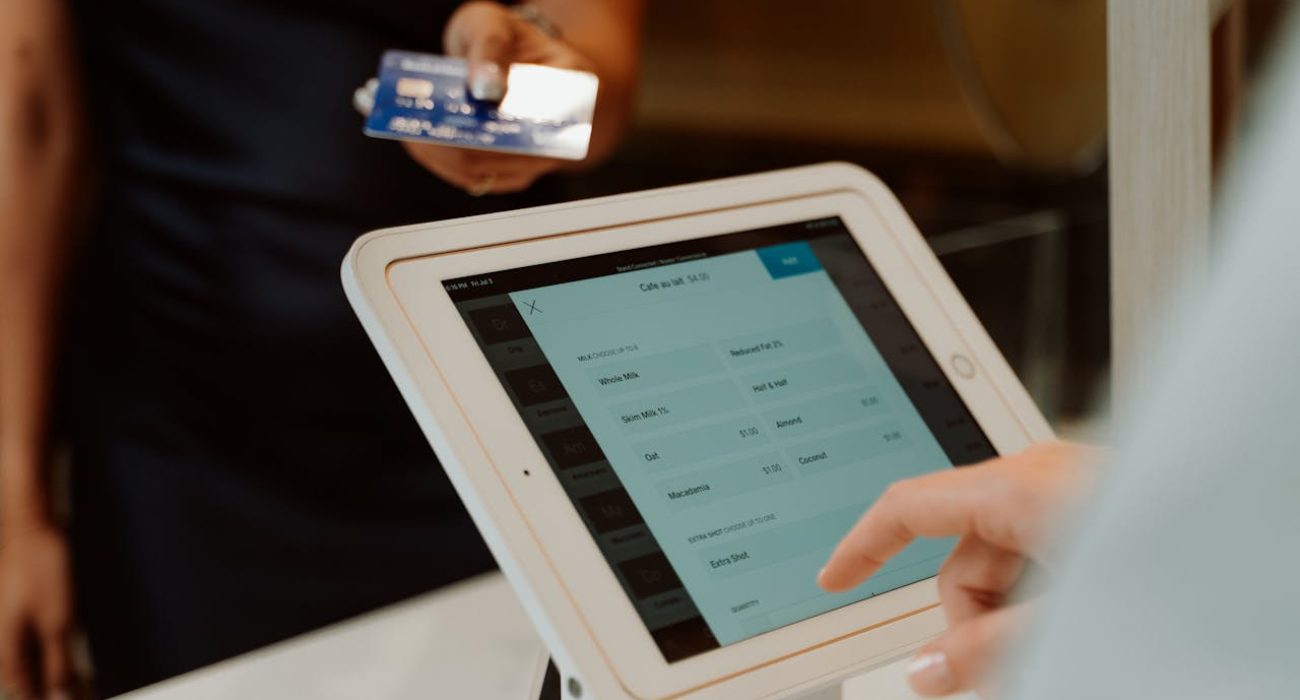
Why the Best POS System for Restaurants Matters
In the fast-paced world of dining, where every second counts and customer satisfaction is paramount, selecting the best Point of Sale (POS) system for your restaurant is more than a mere operational decision—it is a strategic investment in your establishment’s future. As a business leader, you understand the importance of seamless transactions, efficient order management, and comprehensive data insights. A superior POS system can transform these aspirations into reality, optimizing your operations and enhancing the dining experience you offer. In this article, we delve into why the choice of a top-tier POS system is crucial for your restaurant’s success.
Understanding the Role of POS Systems in Restaurants
Streamlining Restaurant Operations
Point of Sale (POS) systems are vital to modern restaurant operations, acting as the technological backbone that supports daily activities. From order taking to payment processing, these systems are designed to enhance operational efficiency. By integrating various functions, such as inventory management and staff scheduling, a POS system connects multiple facets of a restaurant’s operations into a cohesive unit. This centralization reduces manual tasks and human errors, allowing your staff to focus more on providing exceptional customer service.
POS systems also automate and optimize the ordering process. Once an order is placed, the system automatically routes it to the correct station—whether it’s the kitchen or the bar—ensuring the swiftest possible service to guests. This streamlined communication between the front and back of house minimizes delays and errors, significantly improving the dining experience for patrons.
Data-Driven Decision Making
One of the most powerful aspects of implementing the best POS system for a restaurant is its capability to provide actionable insights through data. A comprehensive Point of Sale system generates detailed reports on sales, inventory levels, and customer preferences. By analyzing these reports, restaurant owners can make informed decisions to optimize menu offerings and pricing strategies.
Additionally, understanding sales patterns can help restaurant owners manage stock levels more effectively, reducing waste and enhancing profitability. This data-driven approach empowers management to adapt swiftly to changing customer preferences and market trends, maintaining a competitive edge.
Enhancing Payment and Inventory Management
Moreover, the top restaurant POS systems integrate payment processing seamlessly, reducing the time spent on transactions. With built-in features for handling multiple payment types, including contactless and mobile payments, a POS system accelerates the checkout process, improving customer satisfaction.
Inventory management is another critical area where POS systems prove invaluable. Real-time inventory tracking helps in maintaining optimal stock levels and avoiding shortages. By automating reordering processes, these systems ensure that your restaurant is always prepared to meet demand, thus heightening the overall efficiency of the establishment.
In summary, adopting the best POS systems for restaurants not only streamlines operations and enhances customer experiences but also lays the groundwork for strategic growth. Investing in a robust POS system can transform your restaurant into a well-oiled machine, ready to meet the demands of today’s fast-paced dining environment.
Key Features of the Best POS System for Restaurants
Flexible Payment Processing
In an era where dining experiences must cater to diverse payment preferences, having a versatile payment processing system is essential for the best POS system for restaurants. This flexibility should include support for major credit and debit cards, mobile payments, and contactless methods, ensuring that diners can pay in a way that suits them best. Features like check splitting and tip processing further enhance the dining experience, streamlining the payment process for both customers and staff. These capabilities not only improve customer satisfaction but also reduce the likelihood of payment errors, a critical factor in maintaining smooth operations as highlighted by SumUp.
Robust Inventory Management
Effective inventory management is critical for making the best POS system for restaurant operations. Systems equipped with real-time tracking and automated restocking capabilities allow you to maintain optimal inventory levels, reduce waste, and minimize stockouts. Real-time updates ensure that any stock changes due to sales are promptly reflected, helping you manage costs efficiently. A well-integrated inventory management system simplifies ordering and reduces human error, leading to smoother operations and better decision-making according to Applova.
Insightful Reporting and Analytics
Top restaurant POS systems offer advanced reporting and analytics capabilities, providing valuable insights into sales trends, customer preferences, and staff performance. By leveraging this data, restauranteurs can make informed decisions to enhance operational efficiency and improve profitability. Detailed reports on menu performance can guide adjustments that align with diners’ evolving tastes, while insights into peak times and staff productivity can optimize scheduling and resource allocation. These analytics are indispensable not only for day-to-day management but also for long-term strategic planning, as underscored by Clotouch.
Enhanced Customer Engagement
Beyond payment and inventory management, the best POS for restaurant settings also includes tools for customer relationship management (CRM). These features enable you to capture customer data, track order histories, and implement loyalty programs. By personalizing marketing campaigns and promotions, CRM tools foster stronger, lasting connections with patrons, ultimately driving repeat business. Integrating direct feedback mechanisms can further enhance customer satisfaction, providing insights that refine the guest experience and foster a loyal customer base as discussed by GetQuantic.
How Point of Sale Systems Enhance Restaurant Operations
Streamlining Order Processing and Payment
Modern point of sale systems for restaurants are pivotal in streamlining both order processing and payment, resulting in a more efficient and seamless dining experience. By digitizing the ordering workflow, these systems reduce the time servers spend walking back and forth between tables and stationary terminals. This not only improves front-of-house efficiency but also reduces wait times for customers. Servers can send orders directly to the kitchen, minimizing errors and ensuring that dishes are prepared accurately and promptly. Furthermore, table-side payments facilitated by POS systems allow guests to settle their bills quickly, enhancing turnover and the overall guest experience as highlighted by Restaurant Association resources.
Enhancing Customer Experience and Satisfaction
A POS system integrated with contactless payment options and reservation systems significantly elevates the dining experience. Customers appreciate the speed and security of modern payment methods, which reduce the waiting time and enhance convenience. These systems also manage reservation data efficiently, optimizing seating arrangements to improve service flow. By capturing and analyzing customer data, a best POS system for restaurant settings can offer personalized recommendations, special promotions, and loyalty rewards, fostering stronger customer relationships and encouraging repeat visits as noted by Squirrel Systems.
Improving Operational Efficiency
Top restaurant POS systems serve as an all-in-one solution that integrates various aspects of restaurant management, from inventory tracking to employee scheduling. By automating these processes, restaurants can minimize human error and save valuable time. For example, inventory management capabilities ensure that stock levels are monitored accurately, reducing waste and controlling costs. Furthermore, by analyzing data on staff performance and customer traffic, restaurant managers can make informed decisions about staffing needs and menu adjustments, optimizing service levels and profitability as evidenced by Ordering Stack’s insights.
Through these enhancements, point of sale systems not only modernize restaurant operations but also play a crucial role in driving business success. They provide the tools necessary for restaurant operators to adapt swiftly to industry trends and customer expectations, ensuring their establishments remain competitive and relevant.
Comparing Top Restaurant POS Systems
Square POS: The All-Rounder
Square POS stands out as one of the most comprehensive options, particularly suited for restaurants aiming to scale seamlessly. Offering a combination of a user-friendly interface, robust inventory management, and strong analytics, it supports businesses in enhancing operational efficiency. One of its standout features is a no-cost plan, which is ideal for small establishments keen on keeping initial costs low while benefiting from a robust point of sale systems restaurant solution. Additionally, Square’s stylish hardware ensures both functionality and aesthetic appeal, all while supporting businesses with the best POS system for restaurant use through its extensive analytic tools.
Toast POS: Tailored for Complexity
For well-established restaurants grappling with complex operations, Toast POS offers features uniquely suited to these environments. Its advanced capabilities in inventory management, cost tracking, and customer loyalty programs make it the best POS for restaurant settings that require detailed control. Although Toast requires proprietary hardware and involves a higher upfront investment, its comprehensive features justify the costs for restaurants where robust management tools are essential. Toast’s dedication to streamlining intricate operations makes it a top contender among the best POS systems for restaurants.
Clover POS: Hardware Versatility
Clover POS is renowned for offering a wide array of hardware options, making it perfect for crafting a professional restaurant setup. While Clover’s impressive hardware flexibility comes at a higher cost, it remains a top restaurant POS system due to its strong integration capabilities and customizable solutions. Its menu and floor management features complement its integrated payment processing system, ensuring a seamless customer experience from start to finish.
SpotOn & Lightspeed: Focused Specialties
SpotOn excels in workforce management, providing tools that simplify staff scheduling and communication—features vital for optimizing labor in restaurant environments. On the other hand, Lightspeed POS shines with its detailed reporting capabilities and strong inventory management, although it is often more expensive than its competitors. Each system provides a unique set of features that cater to specific restaurant needs, demonstrating the diversity within the landscape of point of sale systems restaurant options.
These diverse systems highlight the importance of selecting the best pos systems for restaurants, tailored to specific operational needs and business goals.
Choosing the Best POS for Your Restaurant’s Needs
Understanding Your Restaurant’s Unique Requirements
Every restaurant is unique, and so are its operational needs. Choosing the best POS system for a restaurant involves evaluating specific requirements like menu complexity, service style, and future growth prospects. If your establishment is a bustling quick-service restaurant, you’ll need a robust point of sale systems restaurant setup that supports rapid-fire order processing and inventory management to keep the kitchen running smoothly. Conversely, full-service restaurants benefit from features like tableside ordering and detailed customer feedback collection.
It’s essential to assess whether a potential POS system can easily integrate with existing operations. For example, if your restaurant offers delivery, ensures that the software can manage the intricacies of driver dispatch and route optimization—a feature highlighted by HungerRush. Furthermore, check for essential integrations with accounting and inventory software which streamline administration work.
Scalability and Flexibility
A top restaurant POS systems solution should grow with your business. Restaurants that plan to expand to multiple locations or increase their service offerings must choose a POS system that can scale effortlessly. Look for features that allow for easy menu management across different sites and centralized administration of sales reports and analytics. Systems like Quantic POS are built to expand alongside businesses, offering flexibility in managing multi-location setups without compromising control. This adaptability translates to seamless operations as your business evolves.
Cost Considerations
Investing in the best restaurant point of sale systems comes with financial implications. It’s imperative to evaluate the costs associated with each option thoroughly, including initial expenses, ongoing fees, and expected return on investment. Cloud-based POS systems, such as Square for Restaurants, often have lower upfront costs and provide flexible pricing models, making them an attractive choice for newer or smaller ventures. Aligning these financial considerations with your business strategy ensures that the POS system reinforces profitability without becoming a burden.
Streamlining Services with the Best POS Systems for Restaurants
Enhanced Customer Experience
In today’s fast-paced world, providing an exceptional customer experience is paramount for any restaurant aiming to thrive. The best POS systems for restaurants do just that by integrating features that elevate service standards. For instance, self-ordering kiosks and contactless payment options streamline ordering processes and reduce wait times, enhancing the overall dining experience. Additionally, POS systems that incorporate customer relationship management (CRM) tools offer the ability to tailor services based on a guest’s dining preferences, thereby fostering loyalty and increasing repeat visits.
Implementing mobile touchpoints, such as tableside payments and digital menu displays, further enriches the dining experience. These interactive systems not only captivate guests but also ensure that service remains prompt and efficient—a crucial element in maintaining high guest satisfaction levels.
Operational Efficiency
Streamlining operations is a critical facet of successful restaurant management. Top restaurant POS systems enable this by offering integrated solutions that address multiple operational demands using a single platform. By automating inventory management, restaurants can avoid stockouts of popular items, thus ensuring seamless kitchen operations. Moreover, POS integrations for labor management simplify scheduling and payroll processes, helping reduce administrative burdens while optimizing staff efficiency.
These systems also provide real-time data access and advanced reporting features, granting managers insights into sales trends, employee performance, and customer behaviors. Such analytics empower decision-makers to react promptly to changing business landscapes, ensuring the restaurant remains competitive.
Expanding Business Capabilities
Beyond improving current operations, the best POS systems for restaurants enable business expansion by seamlessly integrating online ordering and third-party delivery platforms. This opens new revenue streams without sacrificing quality or efficiency. These systems can integrate reservations management, which allows restaurants to forecast bookings, plan staff allocations, and reduce the likelihood of double bookings and no-shows.
With capabilities like multi-location management and customizable menu updates, restaurants can extend their brand with consistency across all outlets. By adequately leveraging these point of sale systems—designed to grow with the business—restaurants can maintain a competitive edge and continuously enhance their offerings.
Innovative Trends in Restaurant POS Technology
Cloud-Based Solutions for Enhanced Flexibility
In the rapidly evolving restaurant industry, cloud-based POS systems have become the backbone of operational flexibility. With the ability to manage operations seamlessly across multiple locations, these systems enable real-time data access and centralized management. The use of cloud solutions allows restaurants to integrate with essential business tools, such as payroll and accounting, offering a cohesive platform that simplifies complex processes. As explained by GoTab, these systems help restaurants deliver exceptional guest experiences while ensuring data security and reducing upfront costs associated with traditional setups.
Mobile and Contactless Payment Options
As customer expectations shift towards convenience and speed, mobile and contactless payment options are becoming indispensable facets of the best POS systems for restaurants. Restaurants increasingly adopt mobile POS systems, allowing for tableside service and efficient order management. Moreover, the integration of contactless payment methods, such as mobile wallets and QR codes, enhances transaction speed, security, and customer satisfaction. According to insights from TouchBistro, these technologies streamline the dining experience by enabling effortless payments while maintaining the need for human interaction when necessary.
AI-Driven Analytics and Personalized Guest Experiences
Modern point of sale systems restaurant solutions are evolving beyond transaction processing to become integral components in delivering personalized dining experiences. By leveraging AI-driven analytics, restaurants can gain valuable insights into customer behavior, optimize inventory levels, and tailor marketing strategies. This data-driven approach fosters stronger relationships with diners through personalized promotions and loyalty programs, as highlighted by Squirrel Systems. Additionally, these technologies enhance operational efficiency, ultimately leading to increased profitability and a competitive edge in the market.
Seamless Integration and Scalability
Top restaurant POS systems now offer robust integration capabilities, allowing seamless connectivity with online ordering platforms, third-party delivery services, and kitchen management tools. This comprehensive approach ensures that all elements of restaurant operations are interconnected, providing a streamlined workflow from order placement to delivery. As noted by Deliverect, the focused integration capabilities of these platforms enable operators to scale effectively, adapt to evolving trends, and maintain a competitive advantage in the dynamic restaurant landscape.
Implementing a POS System: Tips for Restaurants
Implementing a point of sale system in a restaurant may seem daunting initially, but with strategic planning, it becomes an invaluable asset. The benefits of using the best POS systems for restaurants extend beyond mere transaction handling, offering profound enhancements to overall operations.
Preparation and Planning
Begin by defining clear objectives for your POS system. Identify what specific challenges your restaurant faces, whether it’s simplifying order management, enhancing inventory control, or providing detailed sales analytics. Engage with a diverse group of stakeholders, including senior management, to ensure comprehensive understanding and buy-in. Document all business requirements and set realistic expectations, which will help streamline the selection and installation process of the best POS system for restaurants.
Phased Implementation
Adopt a phased approach to implementation. This step-by-step methodology allows you to focus on high-priority needs initially, minimizing disruption. For instance, you might start by integrating order management and payment processing, then gradually introduce inventory and staff management modules. Maintaining constant communication with your POS vendor is critical to ensure that all aspects of the system are configured to meet your specific needs effectively. Remember to conduct regular progress meetings to address any emerging issues promptly.
Training and Support
Thoroughly train your staff to navigate the new POS interface confidently. Role-specific training ensures employees understand relevant functionalities, enhancing order accuracy and speed of service. Utilize experts provided by your POS partner for initial training sessions. Continued support from the vendor, along with regular refresher courses for staff, helps maintain the smooth operation of your top restaurant POS systems.
Monitoring and Adjustment
Once operational, actively monitor system performance and gather feedback from staff and customers alike. Use data analytics features within the POS system to identify trends and inefficiencies. Regularly audit system performance and update software to incorporate improvements and new features, ensuring your restaurant’s technology remains up-to-date. Correct any discrepancies swiftly to maintain processes at optimal efficiency levels and to fully exploit the advantages of your point of sale systems restaurant offers.
When successfully integrated, the best POS for restaurant utilization not only streamlines operations but boosts profitability, ultimately translating to a seamless dining experience for customers and operational efficiency for staff.
Point of Sale Systems Restaurant FAQs: Your Questions Answered
What is a Point of Sale System?
A point of sale (POS) system is an integral part of any restaurant, serving as the hub of all transactional and operational processes. It is not merely a superior cash register; it is a sophisticated platform that consolidates sales, manages inventory, processes payments, and provides valuable insights into customer preferences. From a bustling fine dining establishment to a trendy café, the best POS system for restaurants plays a pivotal role in enhancing both employee efficiency and customer satisfaction. In the competitive realm of dining, having the right POS is much more than a technical choice—it’s a strategic business decision.
Why Does the Best POS System for Restaurants Matter?
Choosing the best pos system for restaurant operations is critical because it can significantly impact a restaurant’s bottom line. A top-notch POS system streamlines the entire service process, from taking orders to managing customer data. This not only accelerates service but also reduces human error, enabling a smoother dining experience for patrons. Furthermore, having one of the best pos systems for restaurants helps owners and managers make informed decisions through robust data analytics. By analyzing sales patterns and tracking popular menu items, a restaurant can adjust its offerings to meet customer demands and maximize profit margins.
Are There Specific Features to Look for in a Top Restaurant POS System?
When evaluating top restaurant pos systems, essential features to consider include:
- Ease of Use: An intuitive interface that allows staff to move quickly through transactions.
- Integration Capabilities: Seamless integration with other systems such as inventory management, reservation platforms, and third-party delivery services.
- Mobile Functionality: Mobile POS options that enable tableside service and payment processing, enhancing customer engagement.
- Detailed Reporting and Analytics: Comprehensive reports providing actionable insights to optimize operations and improve customer service.
Selecting a well-rounded point of sale systems restaurant ensures that your establishment remains competitive and responsive to the ever-evolving market demands. In essence, the right POS can transform challenges into opportunities, paving the way for sustained success.
Conclusion
In selecting the best POS system for your restaurant, you are not merely investing in technology but in the future success and efficiency of your business. A superior point of sale system can streamline operations, enhance customer satisfaction, and provide insightful data that empowers you to make informed decisions. As you navigate the competitive landscape of the restaurant industry, the right POS system becomes an invaluable ally, driving growth and ensuring seamless service. By choosing a system tailored to your unique needs, you position your restaurant not just to survive, but to thrive in a dynamic culinary market.